
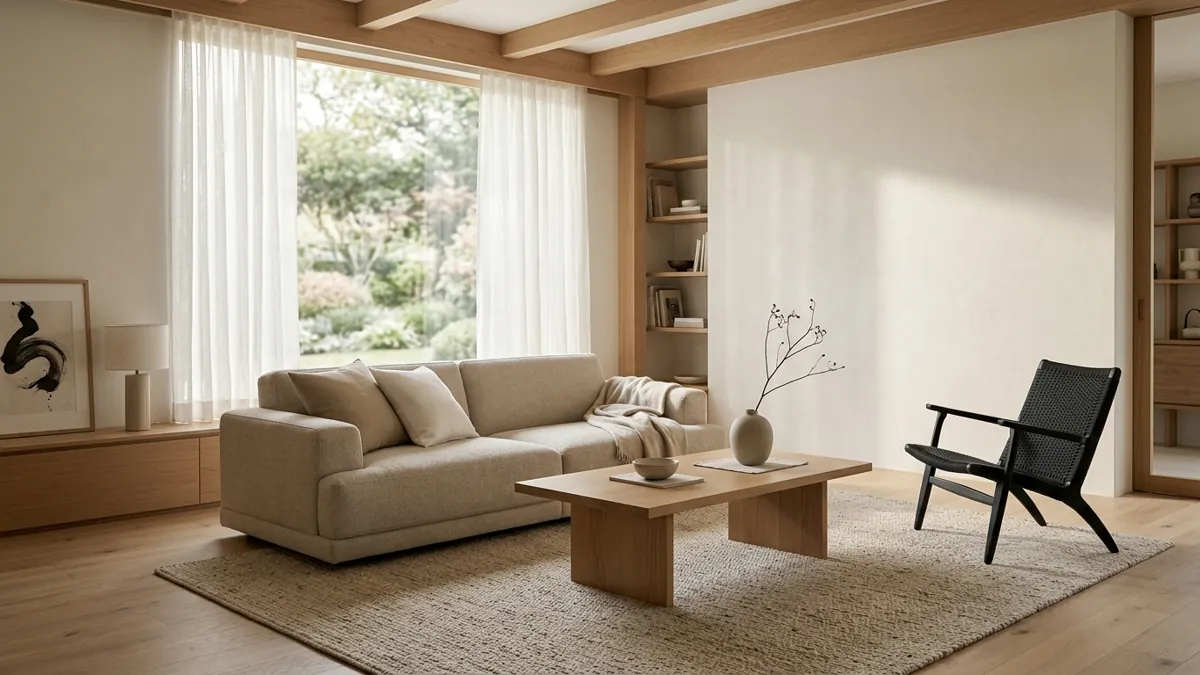
Japandi style blends Japanese simplicity with Scandinavian comfort. This look creates a calm, uncluttered space for you to relax. Think clean lines, natural materials, and a focus on function. You will find a peaceful feeling in its simple beauty. Our list shows you 20 ways to bring this serene style home. Discover how to mix light woods, soft textures, and thoughtful decor. Find inspiration for your own tranquil living room retreat.
1. The Classic Light Oak & Cream Palette
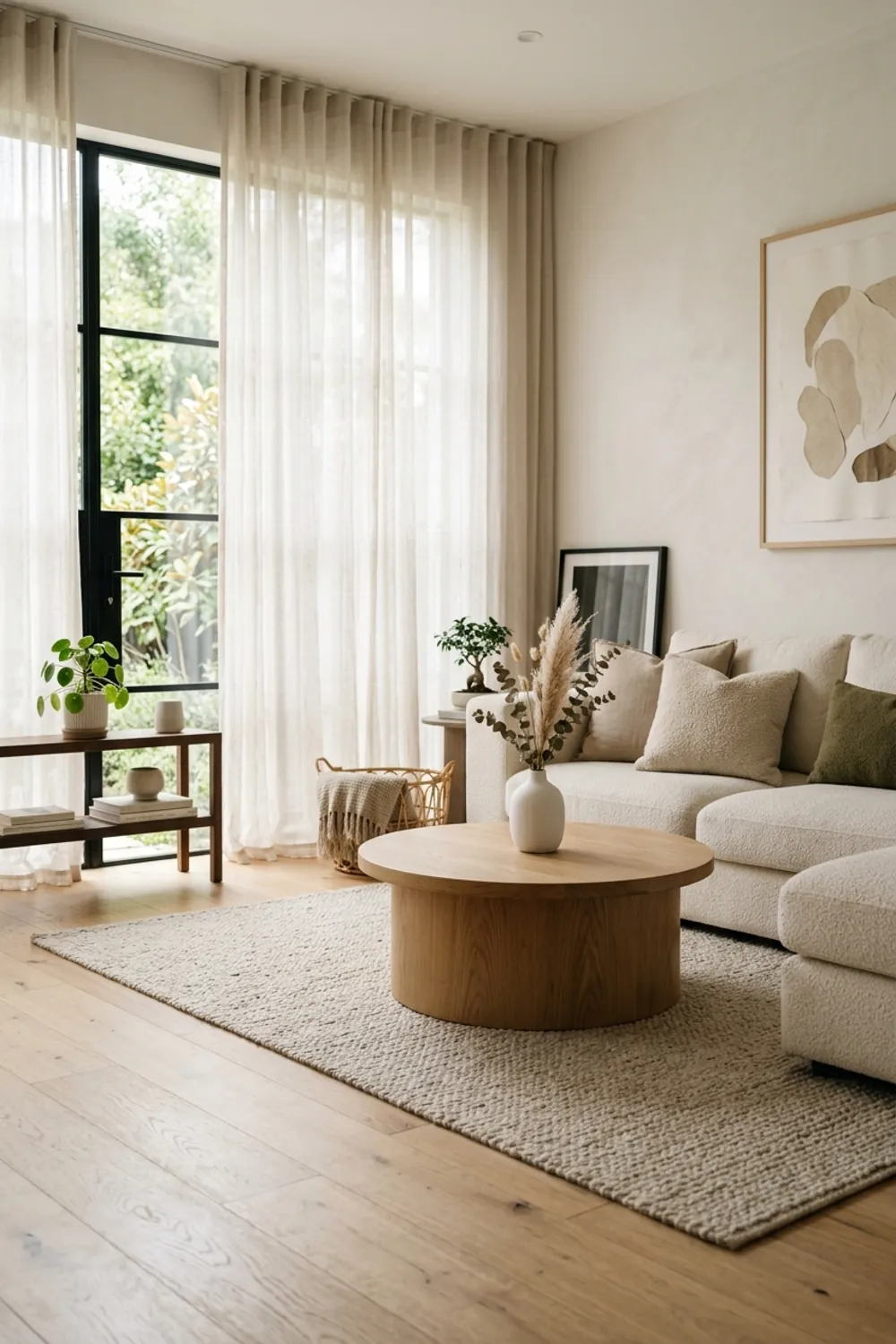
This look is the heart of Japandi design. It uses a base of creamy whites and warm beiges for a bright, airy feel. Light oak furniture provides structure and warmth without being heavy. Key pieces include a simple sofa in a textured cream fabric and a low coffee table.
Add a few black metal accents for a touch of contrast. This style works well in smaller spaces because it maximizes light. It suits anyone who loves a clean, minimalist, and welcoming environment. Keep decor simple with handmade ceramics and soft linen throws.
2. Moody Charred Wood Accents
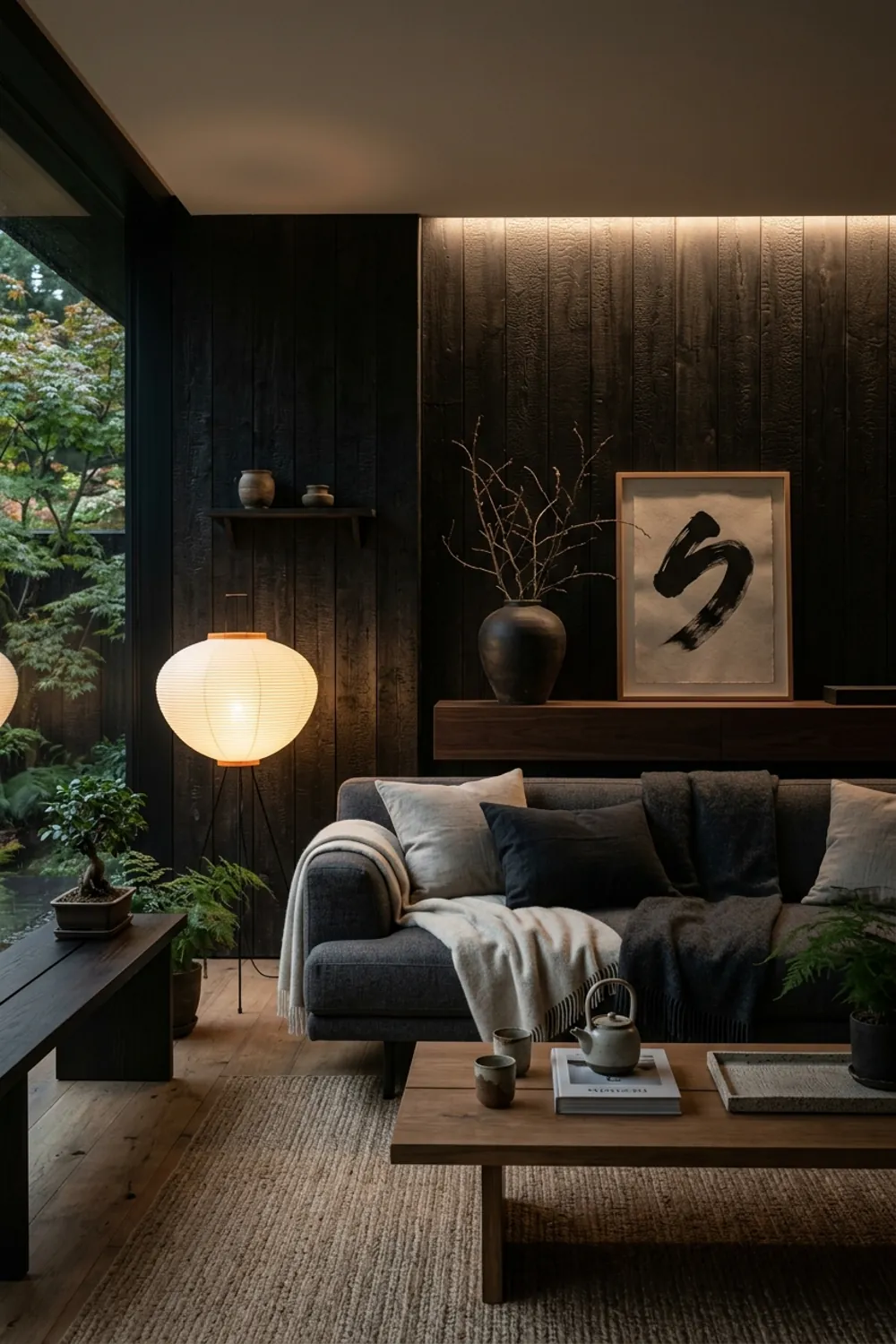
For a bolder take, introduce charred wood. This Japanese technique creates a deep, textured black finish. Use it on an accent wall or a statement piece like a console table. Pair it with dark gray upholstery and warm, indirect lighting.
This creates a cozy and dramatic atmosphere. This approach is great for creating a sophisticated, intimate space. It suits homeowners who appreciate texture and a bit of drama. Balance the darkness with light colored rugs and a few green plants.
3. Low Profile Furniture & Open Space
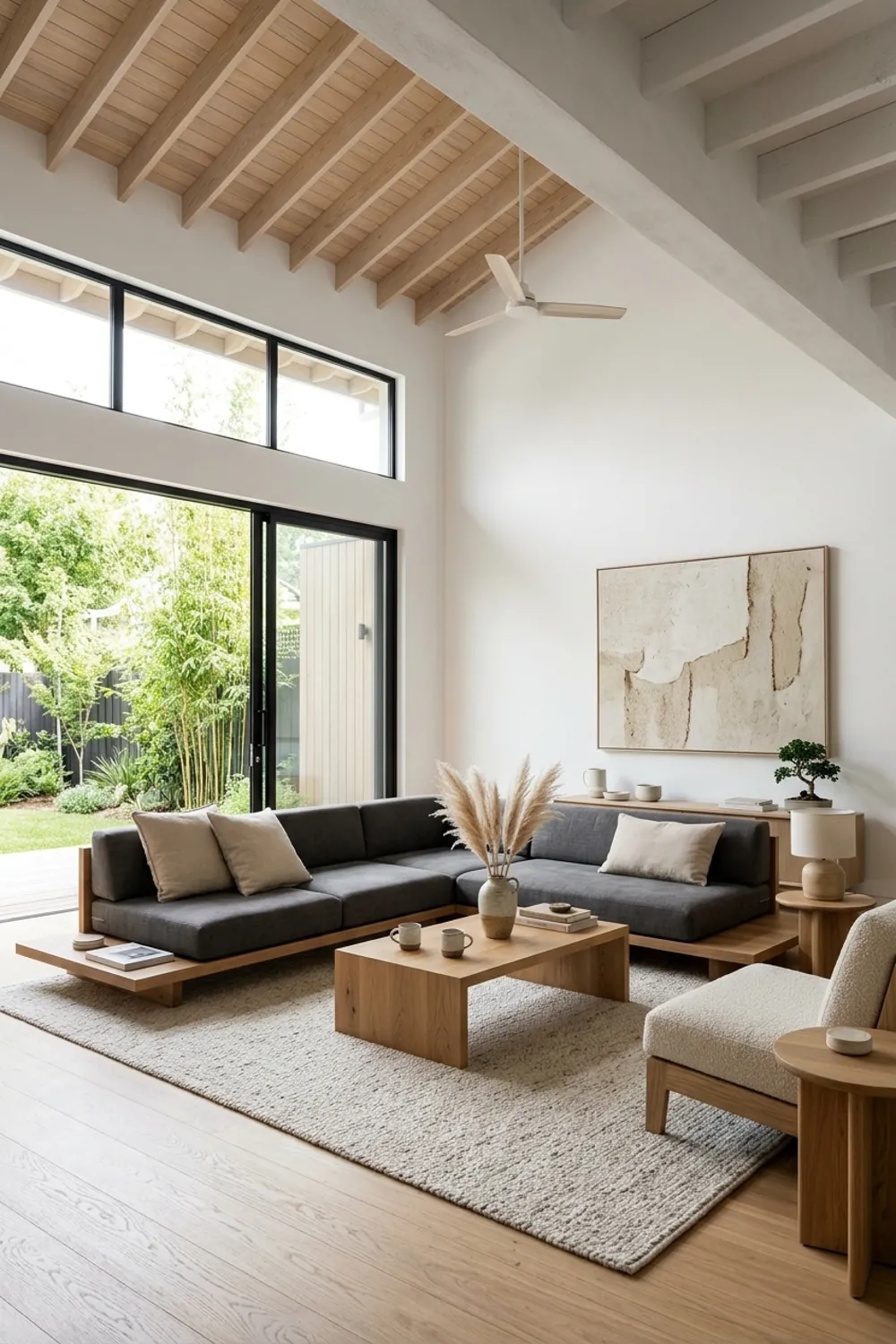
Japandi design values negative space. Low profile furniture helps achieve this by keeping sightlines open. Choose sofas, tables, and media units that sit close to the ground. This makes the room feel larger and more intentional.
The focus shifts to the room's architecture and the light. This concept is fantastic for rooms with high ceilings or for anyone who follows a 'less is more' philosophy. It creates a calming, grounded feeling. Use a large, simple area rug to define the seating area.
4. Textural Layers with Bouclé and Wool
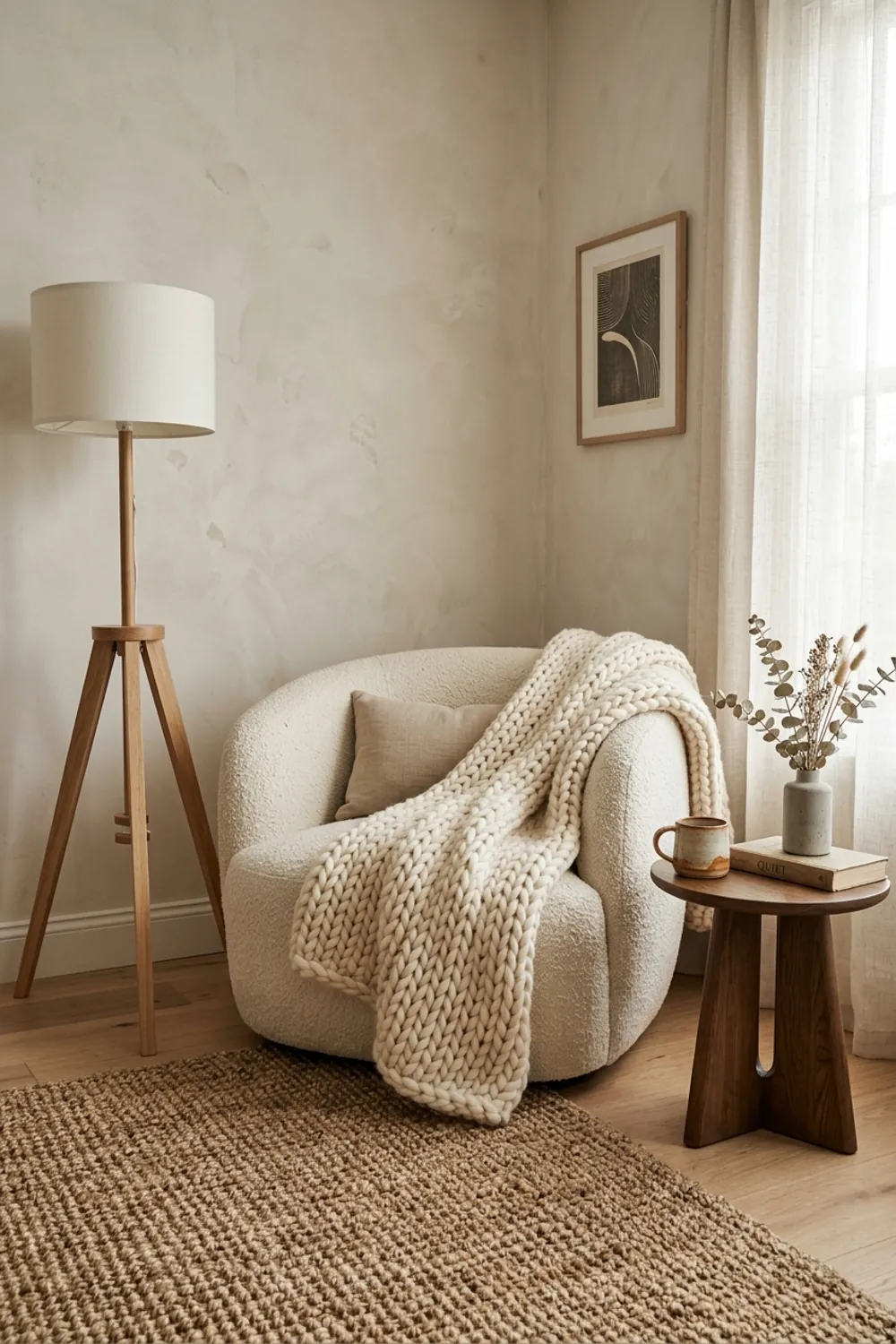
Create warmth through touchable textures. Layer different materials like a nubby bouclé sofa, a chunky wool throw, and a soft jute rug. These elements add visual interest and comfort without adding clutter. Keep the color palette neutral to let the textures be the focus.
This approach makes a minimalist space feel inviting. This is for someone who wants a cozy, comfortable room. It adds depth to a simple design scheme. Mix smooth wood surfaces with these soft textiles for balance.
5. Biophilic Design with Indoor Plants
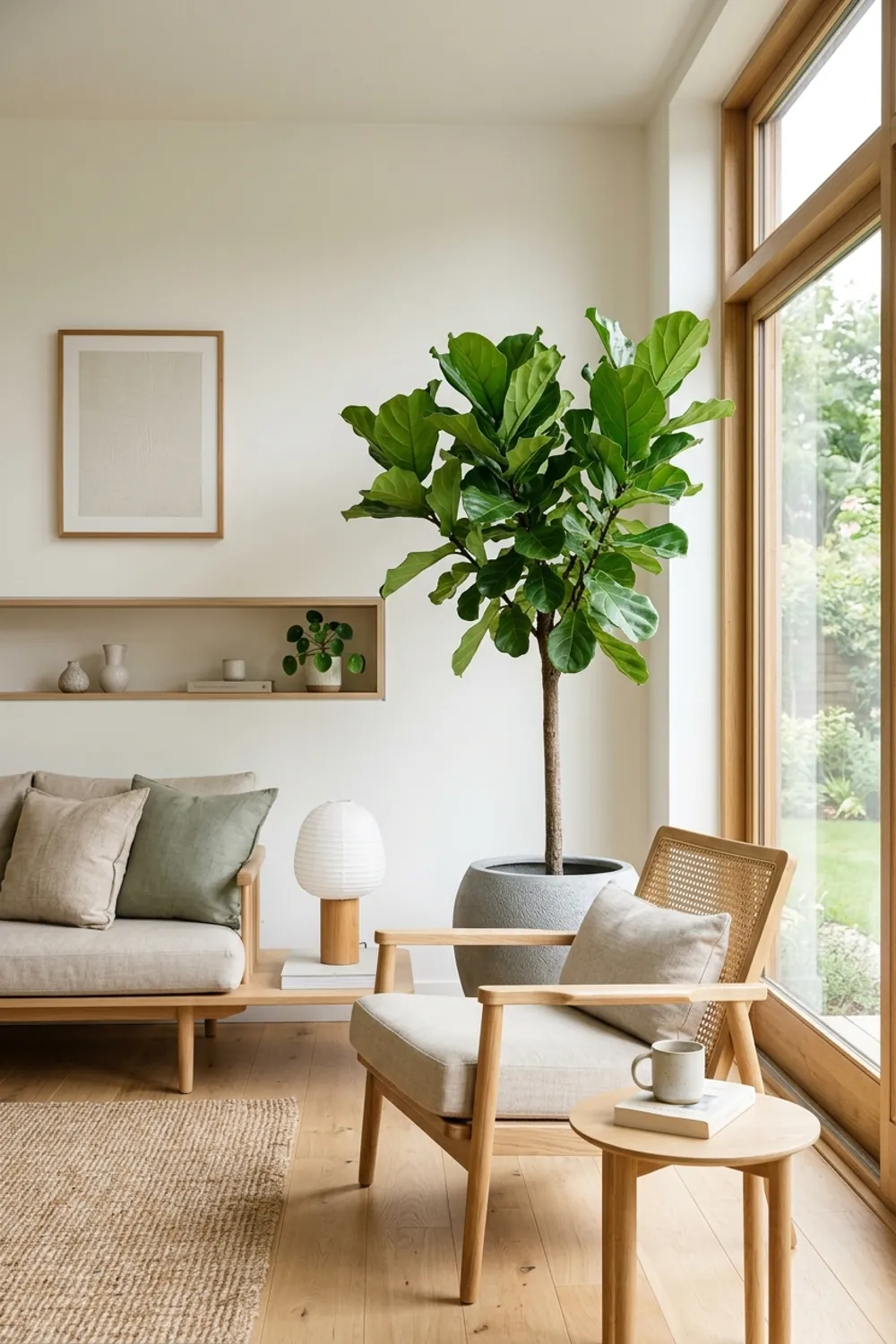
Bring the outdoors inside with carefully chosen plants. A tall fiddle leaf fig in a ceramic pot can add height and life to a corner. A small bonsai on a side table brings a direct Japanese influence. Greenery adds a natural pop of color and purifies the air.
Choose plants with interesting leaf shapes for a sculptural effect. This look benefits anyone wanting a stronger connection to nature. It adds vitality to the calm Japandi aesthetic. Stick to a few high quality plants rather than many small ones.
6. Earthy Tones of Terracotta and Sage
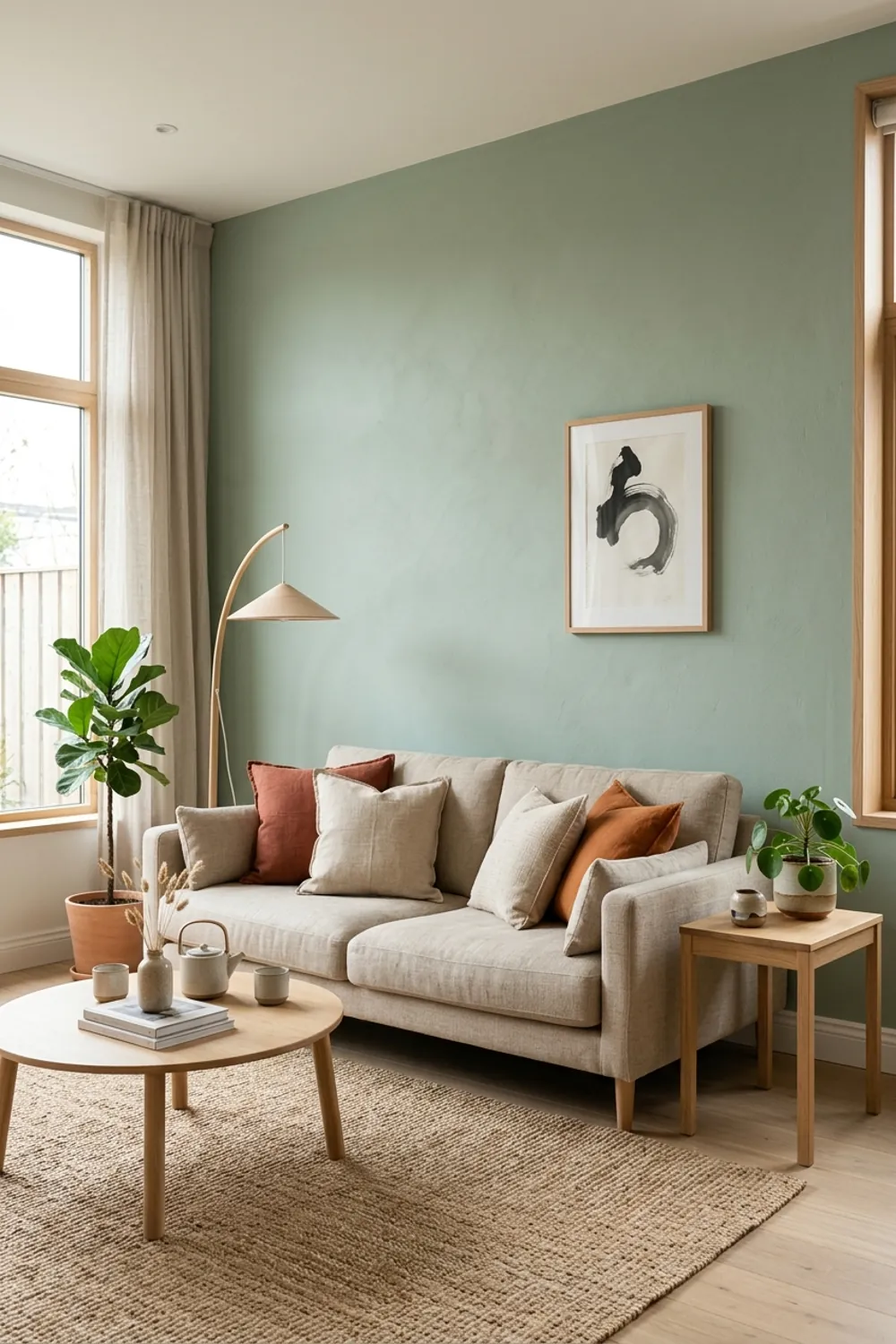
Move beyond neutrals with soft, earthy colors. Sage green on an accent wall or terracotta in throw pillows adds gentle warmth. These colors are inspired by nature and pair beautifully with light woods. They create a soothing and grounded atmosphere.
Use them sparingly to maintain the minimalist feel. This style suits those who want a bit of color without sacrificing tranquility. It adds a layer of personality to the classic Japandi look. Combine these tones with beige, cream, and black for a balanced palette.
7. Slatted Wood Wall Feature
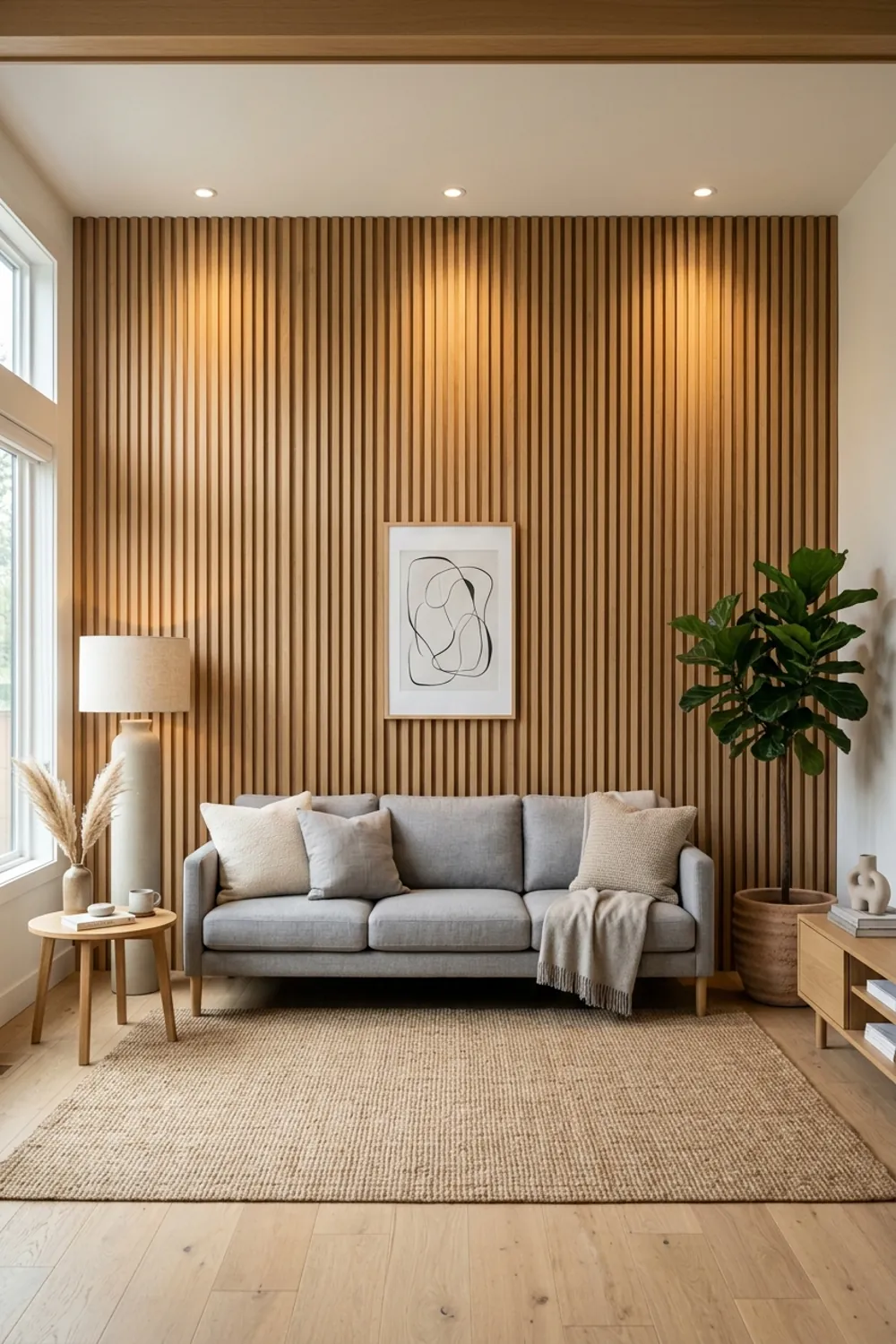
Incorporate architectural interest with a slatted wood wall. This feature adds texture, depth, and a strong vertical element. Use light oak or walnut slats behind a sofa or television. This creates a focal point that feels both modern and natural.
It also helps with sound absorption in the room. This idea is for those looking to add a custom, high end touch. It works well in large or small rooms as a statement. Keep surrounding furniture simple to let the wall shine.
8. Sculptural Paper Lantern Lighting
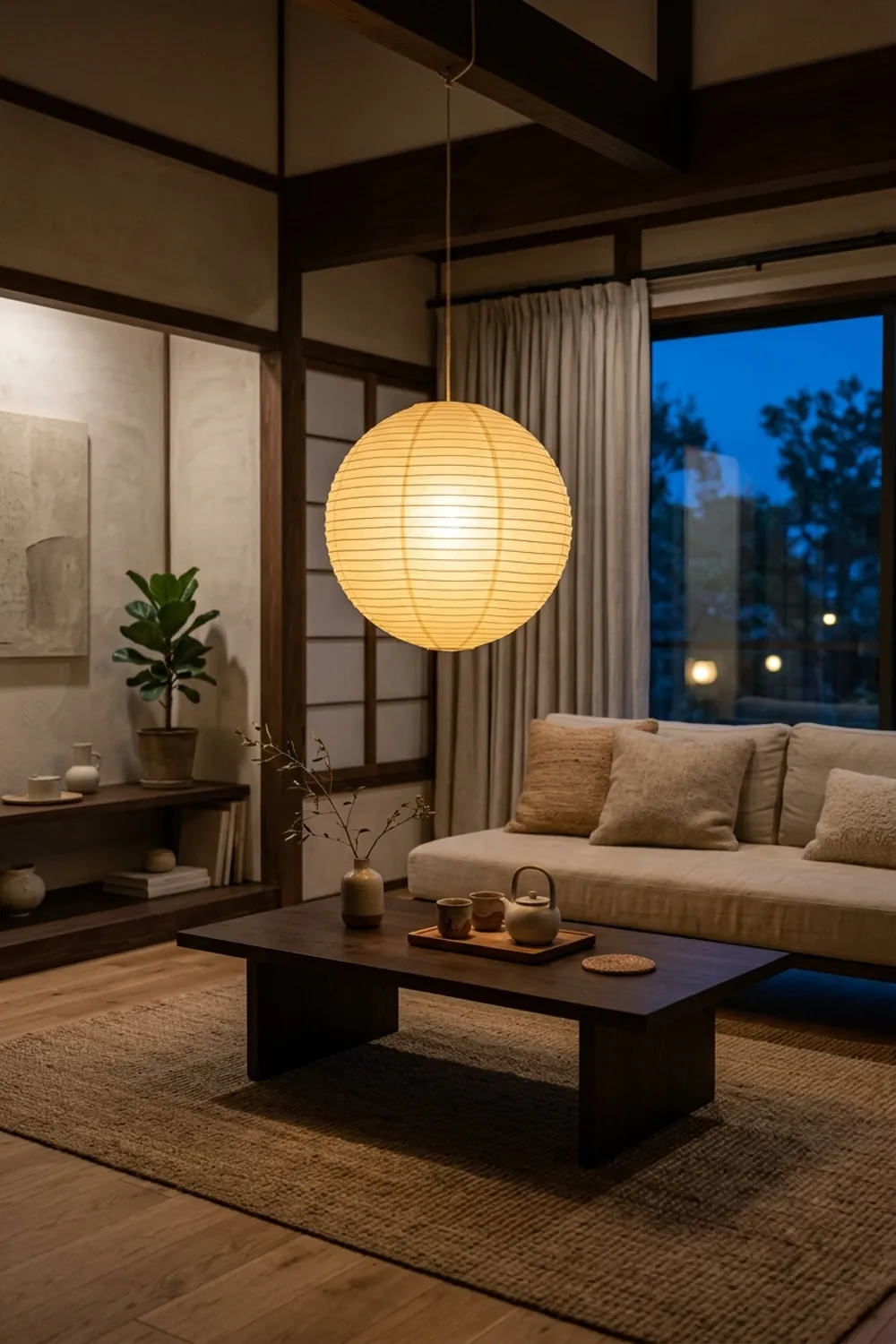
Lighting is key in Japandi design. A large, sculptural paper lantern is a classic choice. Hung low over a coffee table or in a corner, it provides soft, diffused light. This creates a warm and inviting glow in the evening.
Look for simple, organic shapes that act as a piece of art. This is a simple way to make a big impact. It suits anyone who appreciates functional art. The lantern becomes a beautiful focal point, day or night.
9. Wabi Sabi Inspired Imperfection

Embrace the beauty of imperfection, a core tenet of wabi sabi. Choose furniture made from reclaimed wood with visible grain and knots. Use handmade pottery that is slightly irregular. A linen sofa with natural creases adds to this relaxed feel.
This philosophy celebrates items with history and character. This style is for those who find beauty in authenticity over polish. It creates a space that feels lived in and soulful. Avoid anything that looks too mass produced or synthetic.
10. Monochrome Palette with High Contrast
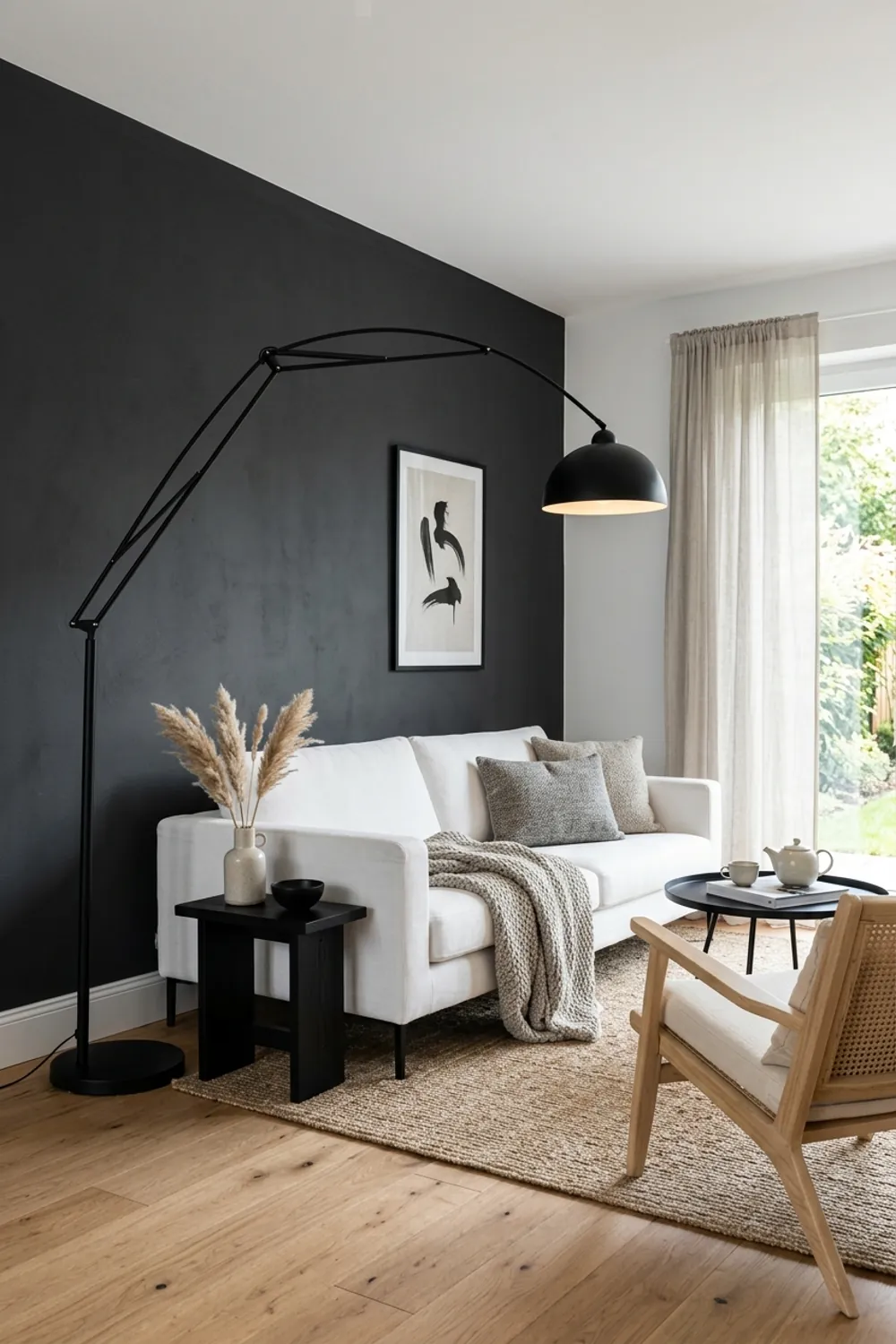
Create a striking look using a strict monochrome palette. Combine black, white, and various shades of gray. Use a white sofa against a dark gray wall for drama. Black metal legs on furniture and black window frames add sharp, graphic lines.
Texture is important here to keep the space from feeling flat. This is for someone who loves a bold, modern, and sophisticated aesthetic. The lack of color highlights form and shadow. Add a single wood element to bring in a touch of warmth.
11. Statement Accent Chair
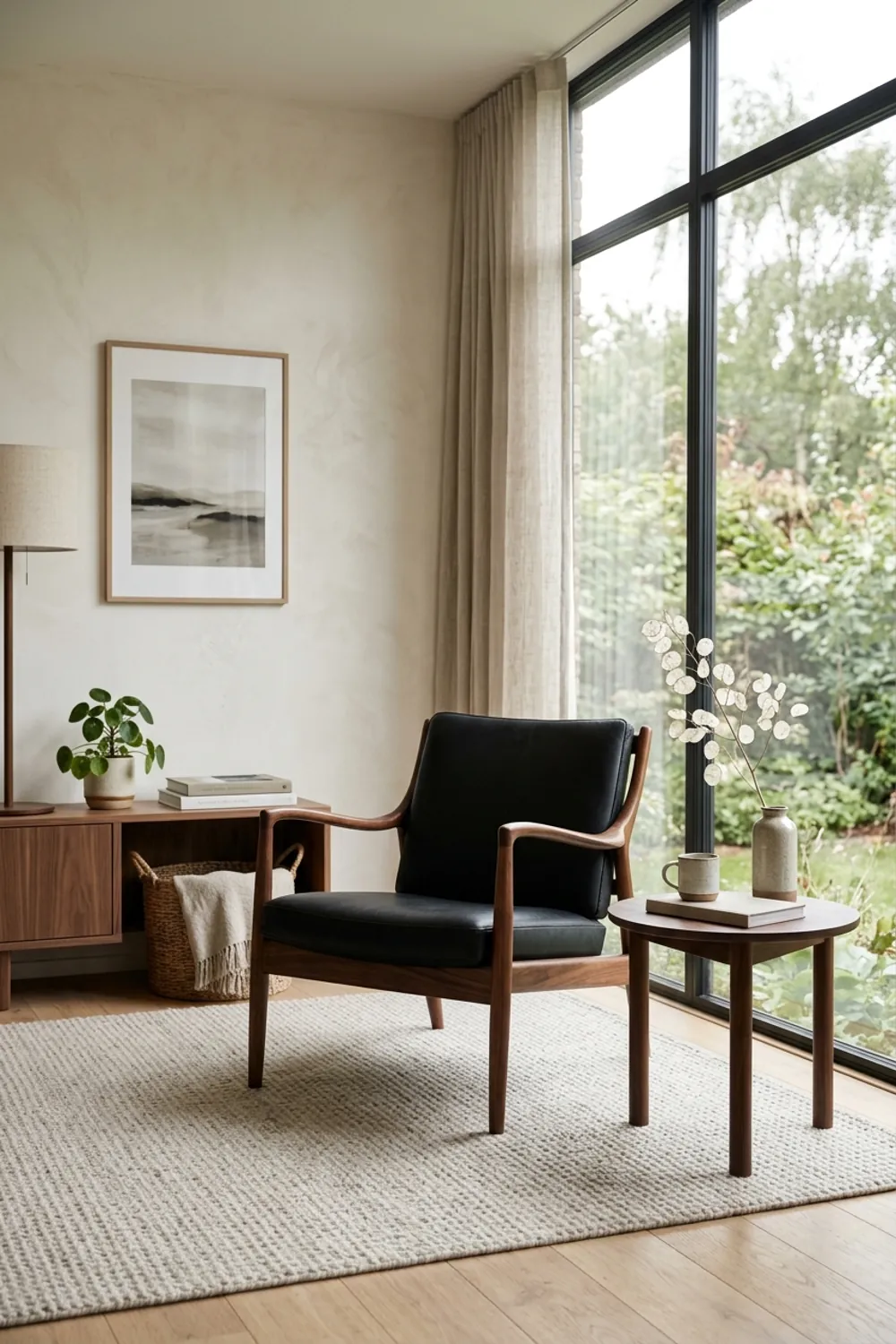
A single, beautifully designed chair can define a room. Choose a chair with a strong sculptural form, like a classic Danish wood frame armchair. This piece provides extra seating and acts as functional art. Place it in a corner with a small table and a lamp to create a cozy reading nook.
It should stand out from the other furniture. This idea suits those who appreciate iconic design and want a clear focal point. The chair adds personality and sophistication. Choose a piece in a contrasting material, like dark wood or leather.
12. Integrated and Hidden Storage
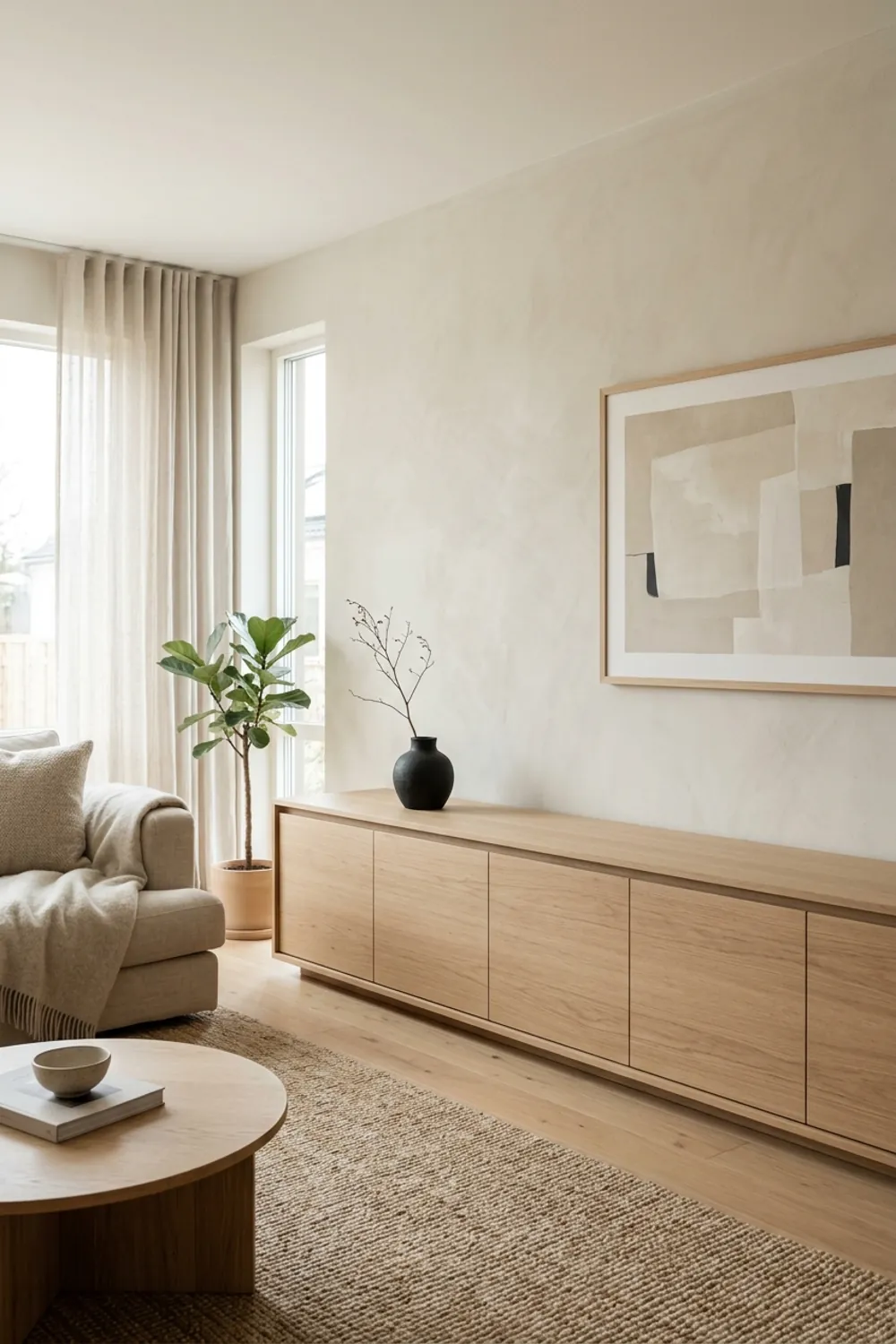
A key to Japandi calm is a clutter free space. Use furniture with integrated storage to keep things tidy. A low media unit with handleless doors hides electronics. A coffee table with a lift top or drawers keeps remotes and magazines out of sight.
The goal is a seamless, clean look. This is essential for anyone living in a smaller home or who dislikes visual clutter. It maintains the minimalist aesthetic while being highly practical. Choose pieces in the same wood tone as other furniture for a cohesive feel.
13. Natural Stone Coffee Table
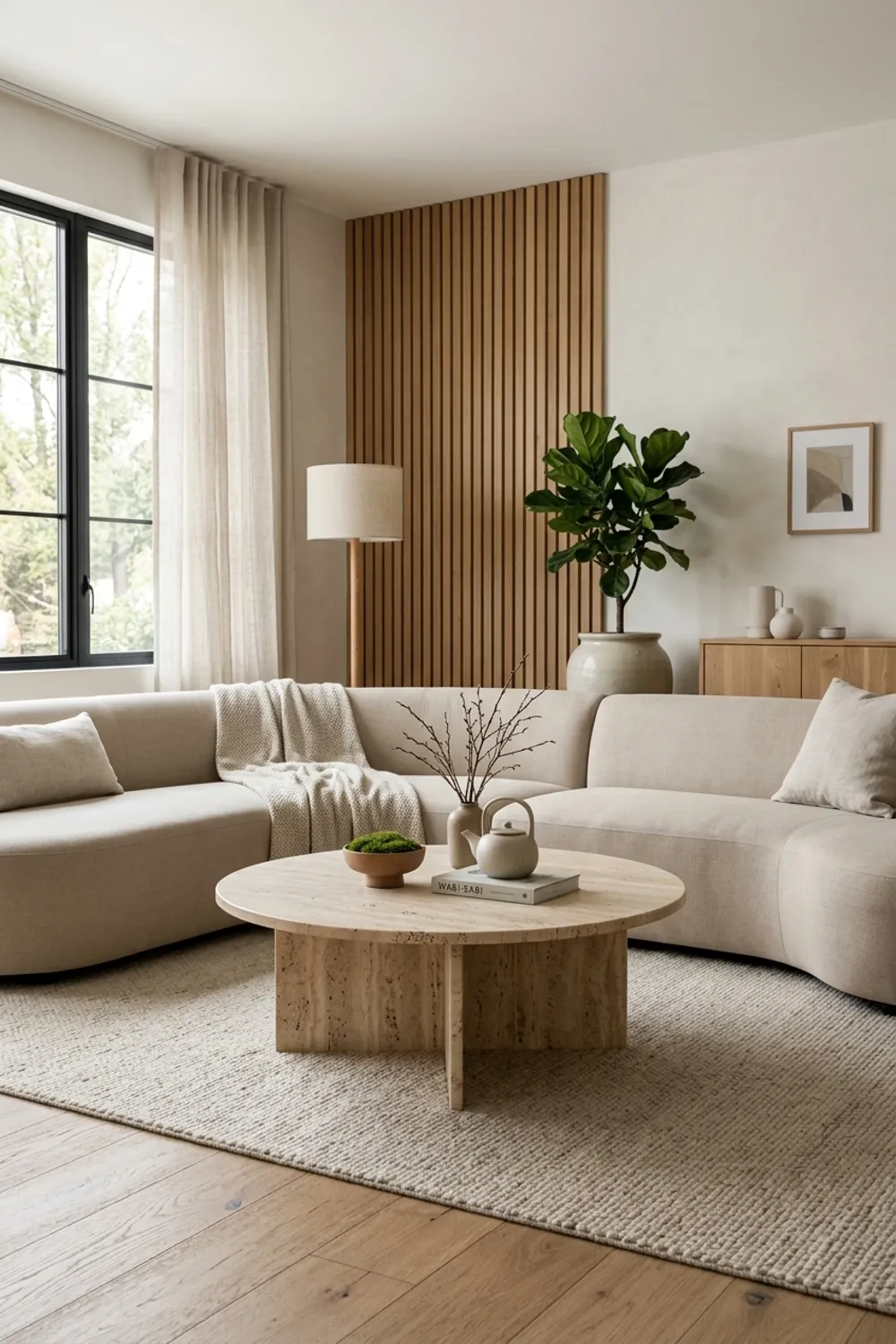
Ground your living room with a heavy, natural element. A coffee table made from travertine, marble, or slate adds an organic and luxurious touch. The cool, smooth surface provides a beautiful contrast to soft sofas and warm woods. Choose a simple shape, like a low cylinder or rectangle, to keep the look minimalist.
This option works for those who want to invest in a timeless, statement piece. It adds a sense of permanence and nature to the room. Keep decor on the table very simple to showcase the stone's beauty.
14. Minimalist Gallery Wall Display
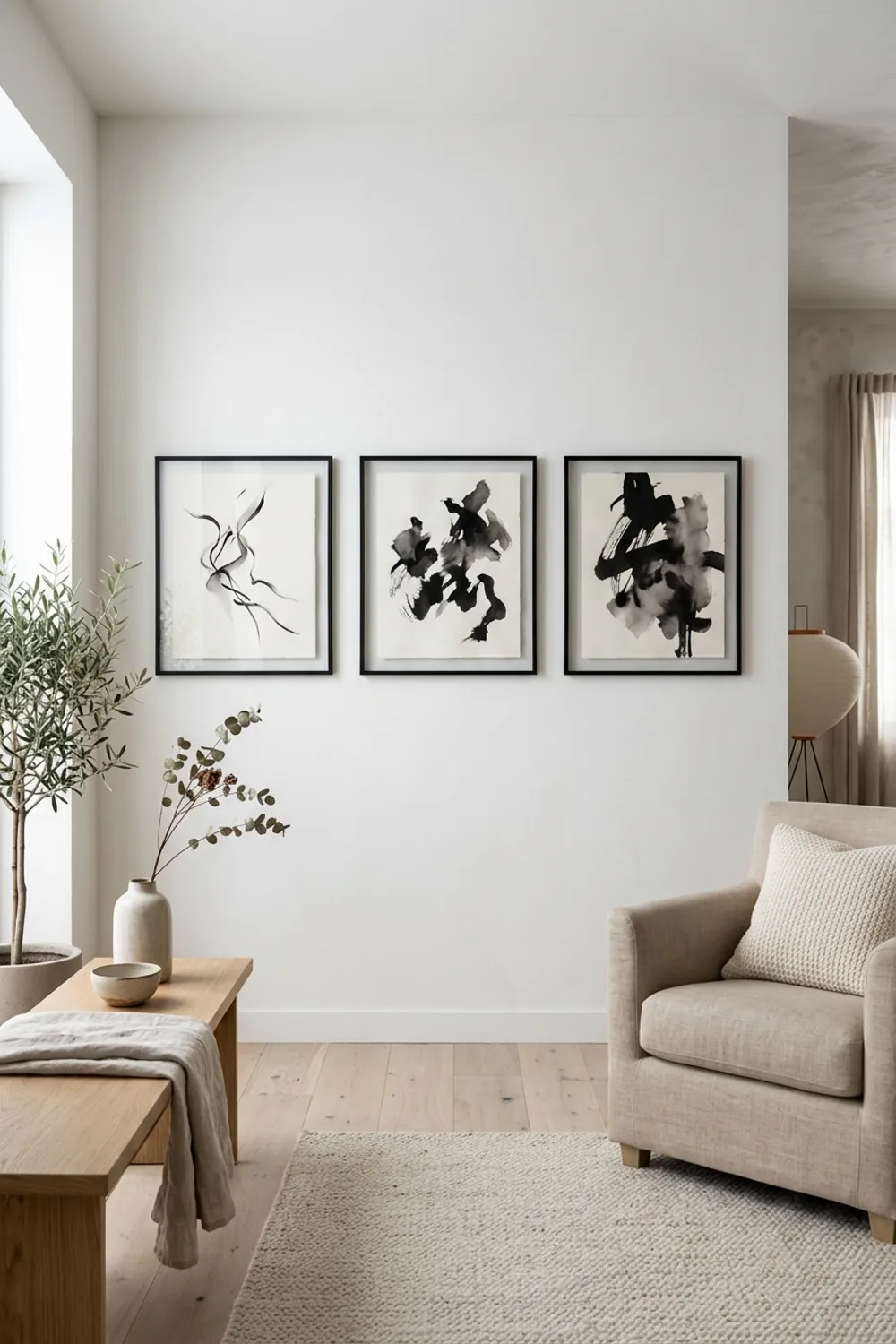
Art in a Japandi space should be intentional. Create a minimalist gallery wall with a few carefully selected pieces. Use simple wood or black frames of the same size. Choose abstract line art, ink wash prints, or black and white photography.
Arrange them with generous spacing to avoid a cluttered look. This is for the art lover who wants a personal touch without disrupting the calm. It adds personality and a focal point. The negative space around the frames is as important as the art itself.
15. Rattan and Woven Details
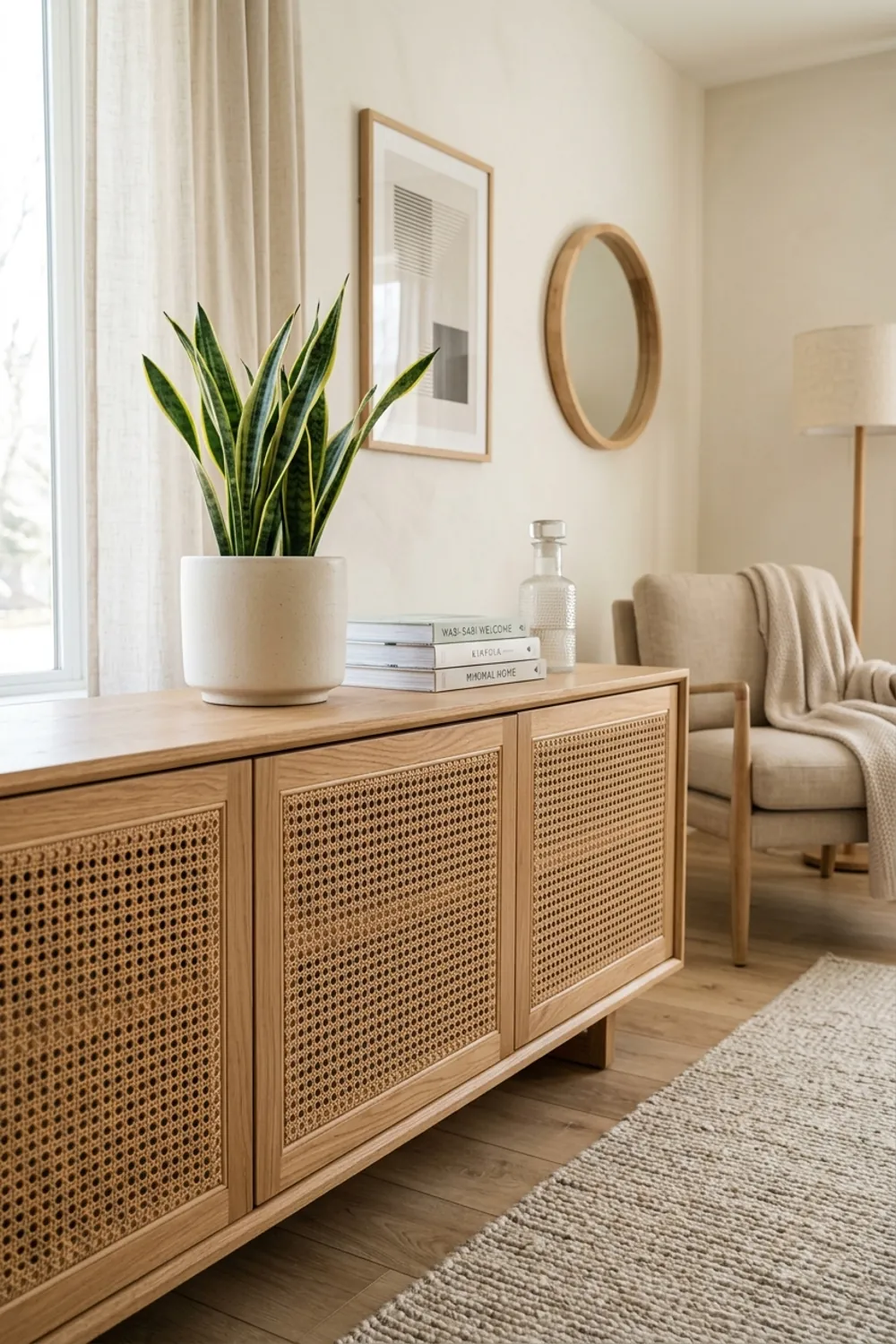
Introduce woven textures for a relaxed, natural feel. A rattan cabinet door, a cane accent chair, or a set of woven storage baskets can add warmth. These materials bring a touch of bohemian style to the clean Japandi lines. They add intricate patterns without using color.
This creates a subtle layer of detail. This look is for someone who wants a softer, more casual version of Japandi style. It feels welcoming and laid back. Use these elements as accents rather than the main feature.
16. Floating Shelves with Curated Objects
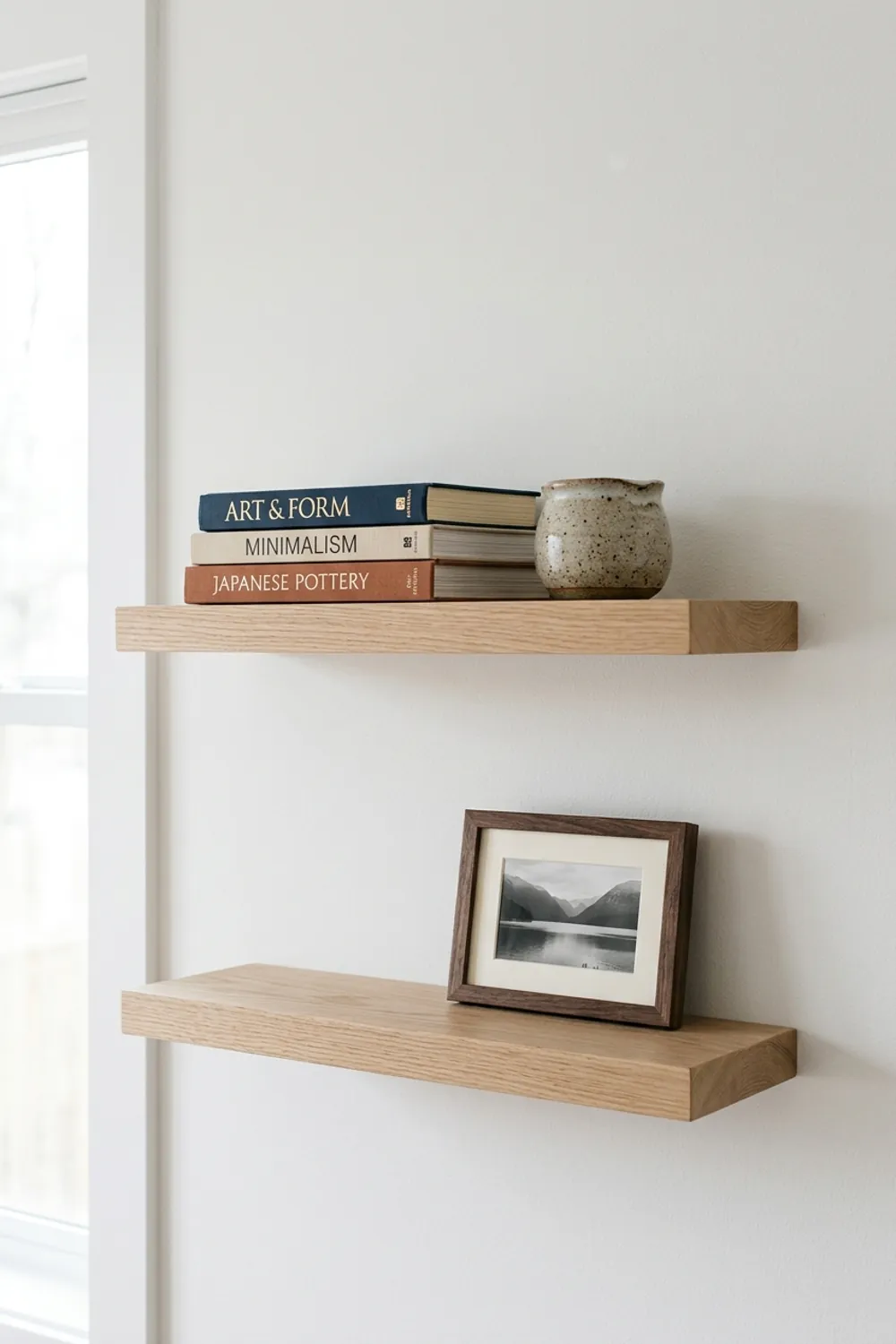
Display a few treasured items on simple floating shelves. This keeps decor off surfaces and creates an airy, uncluttered feel. Install two or three shelves in an asymmetrical layout. Style them with a small stack of books, a single ceramic vase, and a small plant.
Resist the urge to fill them completely. This is a great solution for displaying personal items in a minimalist way. It turns everyday objects into a thoughtful arrangement. Choose shelves in a light wood that matches other elements in the room.
17. Cozy Fireplace as a Focal Point
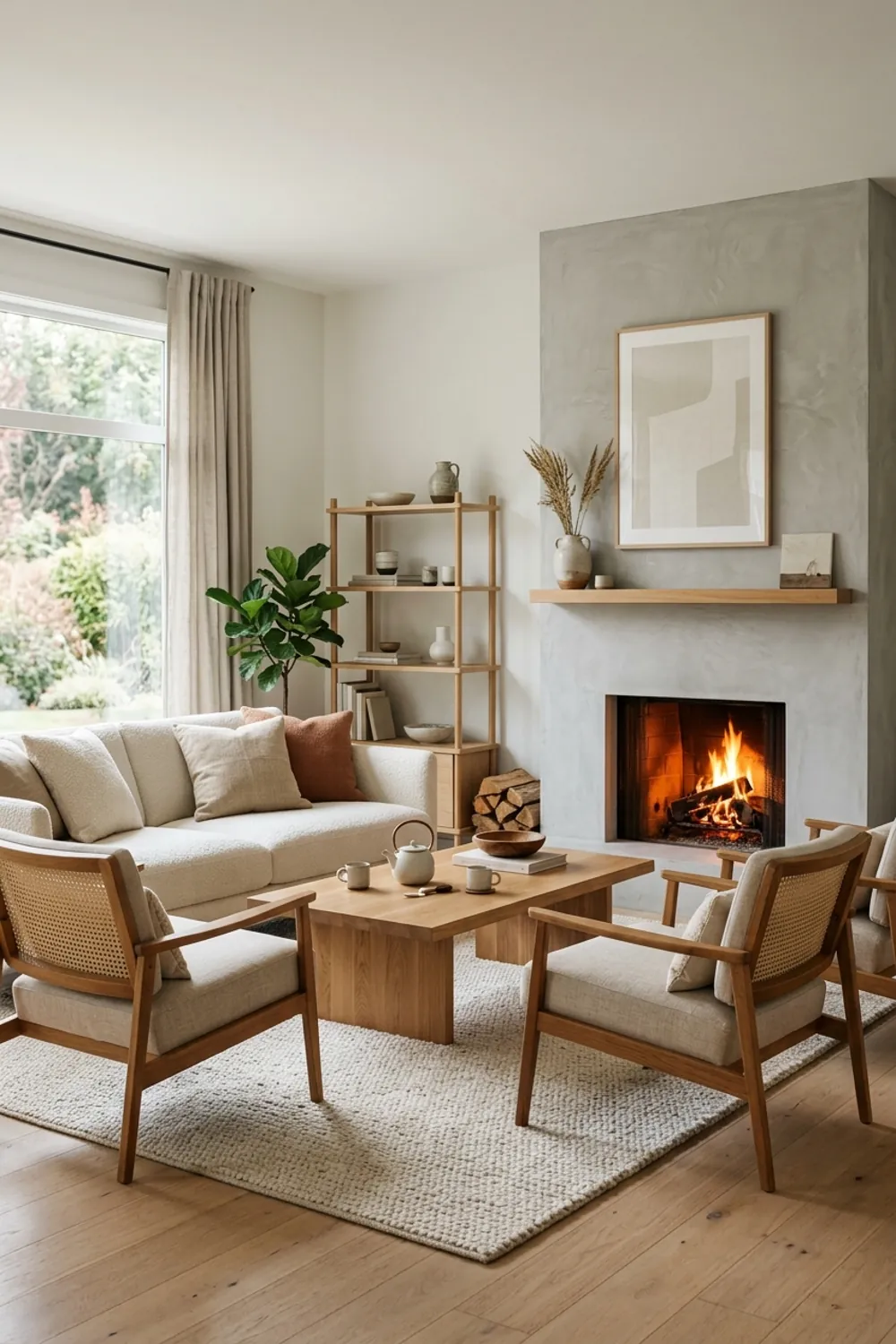
A minimalist fireplace can be the heart of a Japandi living room. Choose a simple design with clean lines, like a concrete or plaster surround. This provides a natural gathering spot and adds warmth. Arrange seating to face the fireplace, creating an inviting conversation area.
Keep the mantel decor extremely simple. This style is wonderful for creating a cozy and inviting atmosphere, especially in colder climates. It blends the Scandinavian concept of hygge with Japanese simplicity. A small, neat stack of logs nearby adds a rustic touch.
18. Tatami Inspired Area Rug

Ground your seating area with a rug inspired by Japanese tatami mats. Look for a large area rug made of natural fibers like jute or seagrass. The woven texture and earthy color provide a perfect neutral base. This adds an organic element and defines the living space.
Its simplicity complements the clean lines of the furniture. This choice is for those who want an authent